In the tapestry of education, academic rivalry often emerges as a vibrant thread, weaving together the experiences of students in ways that can foster growth and resilience.
While the idea of competition may evoke images of stress and anxiety, a closer look reveals that it can also serve as a catalyst for personal development and motivation.
Understanding the nuances of this dynamic can help students harness the positive aspects of rivalry, transforming it into a tool for self-improvement.
The essence of academic rivalry lies in the natural human instinct to compare oneself to others. This instinct is not inherently negative; it can inspire students to push their limits and strive for excellence. When students observe their peers excelling, it can create a desire to rise to the occasion. This drive often leads to increased effort and focus on their studies, enabling them to discover abilities they may not have realized they possessed. In this way, rivalry can act as a mirror, reflecting both strengths and areas for improvement.
As students engage in friendly competition, they often find themselves stepping outside their comfort zones. This can manifest in various ways, such as participating in study groups, seeking help from teachers, or exploring new subjects that pique their interest. The challenge of keeping up with peers can ignite a passion for learning that might have remained dormant otherwise. In this environment, students learn to embrace challenges, developing a growth mindset that encourages resilience and adaptability.
A small shift toward balance is essential in navigating the waters of academic rivalry. While striving to achieve can be motivating, it’s important for students to maintain a healthy perspective on competition. The key is to view rivalry not as a zero-sum game, but as a shared journey towards personal and collective growth. This perspective fosters camaraderie among peers, transforming competition into collaboration. Students can celebrate each other’s achievements, creating a supportive atmosphere that enhances learning experiences.
Moreover, the lessons learned through academic rivalry extend beyond the classroom. Students develop critical life skills such as time management, goal setting, and perseverance. As they strive to meet their academic goals, they learn how to prioritize tasks, manage their schedules, and stay organized—skills that will serve them well in their future endeavors. Additionally, the ability to cope with setbacks and learn from failures is an invaluable lesson. In a competitive environment, students often encounter challenges that require them to reassess their strategies and approaches. This process of reflection and adjustment fosters resilience, equipping them to handle obstacles with grace.
The role of educators in shaping the landscape of academic rivalry cannot be overlooked. Teachers can create an environment that encourages healthy competition while also promoting collaboration. By emphasizing the importance of personal progress rather than solely focusing on grades, educators can help students understand that rivalry can coexist with support and encouragement. Celebrating individual milestones alongside collective achievements allows students to feel valued for their unique contributions, fostering a sense of belonging within the academic community.
As students navigate their academic journeys, it is also important for them to cultivate self-awareness. Recognizing their own motivations and feelings in the context of rivalry can lead to a more fulfilling experience. Some students may thrive on competition, finding it energizing and motivating, while others may feel overwhelmed by it. The key is for each student to understand their own needs and boundaries. By reflecting on their experiences and communicating openly with peers and educators, students can create an academic environment that works best for them.
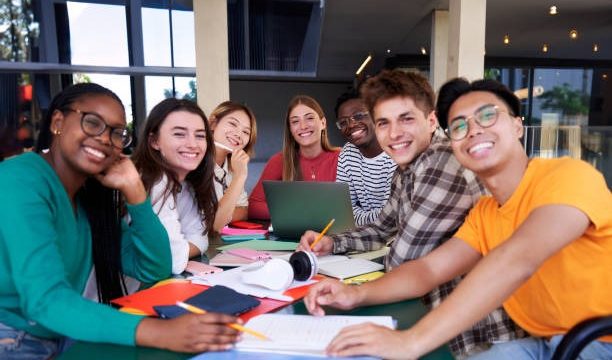
Nurturing healthy relationships with peers is another crucial aspect of growing through academic rivalry. When students view each other as allies rather than adversaries, they can foster a supportive network that enhances their learning experiences. Engaging in discussions, sharing resources, and collaborating on projects can transform rivalry into a foundation for friendship. These connections often lead to lasting bonds that extend beyond the classroom, enriching students’ social lives and providing a support system during challenging times.
In the grand scheme of education, academic rivalry can be a double-edged sword. It has the potential to inspire excellence and foster growth while also posing challenges that can lead to stress and anxiety. The balance lies in how students approach competition and how they are guided by educators and families. By embracing the positive aspects of rivalry, students can develop a sense of purpose and motivation that propels them toward their goals.
Ultimately, the journey through academic rivalry is one of self-discovery and personal growth. It teaches students valuable lessons about hard work, resilience, and the importance of community. By cultivating a mindset that appreciates both individual achievement and collective support, students can thrive in an environment that encourages them to reach their full potential.
As they navigate the complexities of academic life, students can find strength in their peers and learn to celebrate each other’s successes. In this way, academic rivalry becomes not just a competition, but a shared adventure that enriches their educational experience and prepares them for the challenges that lie ahead. Embracing this journey with an open heart and a willingness to learn can lead to a fulfilling and transformative educational experience, one where growth is not just a destination, but a beautiful process.