In a world that increasingly values quick answers and instant gratification, the importance of critical thinking has never been more pronounced.
As we navigate through complex information and diverse opinions, the ability to analyze, evaluate, and synthesize ideas becomes essential.
One delightful yet often overlooked avenue for nurturing this skill is through academic contests. These competitions, whether they involve debate, mathematics, science, or the arts, provide a unique platform for students to engage deeply with content, think critically, and grow intellectually.
The beauty of academic contests lies in their ability to foster a sense of curiosity and exploration. Participants are often encouraged to delve into subjects they might not encounter in their standard curriculum. This exploration can ignite a passion for learning that transcends the confines of traditional education. Imagine a student who, through a math competition, discovers a love for problem-solving that leads them to pursue advanced studies in engineering. This journey begins with a simple contest, illustrating how academic challenges can open doors to new realms of knowledge and understanding.
A gentle shift toward collaboration
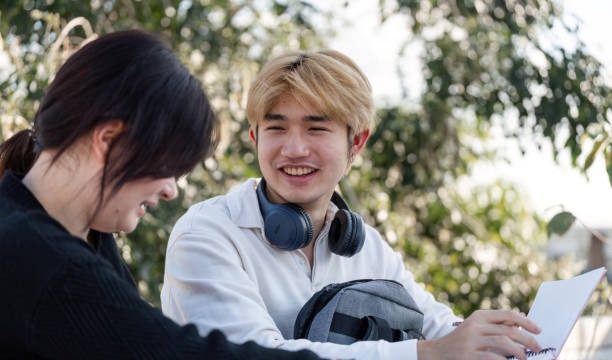
While the competitive aspect of these contests is prominent, they also cultivate a spirit of collaboration. Many academic competitions require teamwork, where students must communicate and collaborate to devise strategies and solutions. This interaction enhances their ability to articulate thoughts and listen to others, key components of critical thinking. Engaging with peers allows participants to see different perspectives, encouraging them to think outside the box and approach problems from multiple angles.
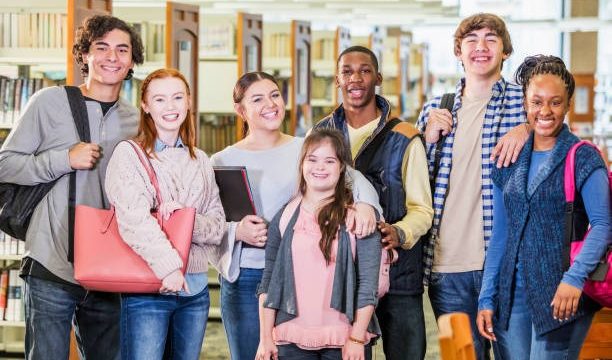
In the world of academic contests, students often find themselves part of a supportive community. Whether they are working alongside classmates or competing against peers from other schools, the shared experience fosters camaraderie. This environment not only makes the learning process enjoyable but also reinforces the idea that intellectual growth is a collective journey. Participants learn to celebrate each other’s successes, creating a positive feedback loop that motivates everyone involved.
The role of mentorship
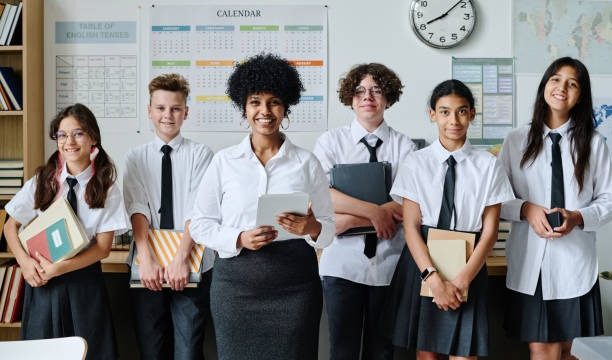
Additionally, many academic contests are supported by mentors—teachers, coaches, or professionals—who provide guidance and encouragement. These mentors play a crucial role in helping students develop their critical thinking skills. They challenge participants to question assumptions, consider alternative viewpoints, and engage in reflective thinking. Such mentorship is invaluable, as it helps students build confidence in their own reasoning abilities and encourages them to tackle challenges head-on.
The learning that occurs through academic contests extends beyond the competition itself. Many participants report that the skills they develop—such as research, analysis, and public speaking—translate into their everyday lives. The ability to think critically is not just a skill for the classroom; it is an essential life skill that empowers individuals to make informed decisions, solve problems effectively, and navigate the complexities of modern life.
Finding balance in competition
While the excitement of competition can be exhilarating, it is important to maintain a healthy perspective. Striking a balance between striving for excellence and enjoying the process is crucial. Students should be encouraged to view contests as opportunities for growth rather than mere assessments of their worth. This mindset fosters resilience, allowing them to embrace challenges and learn from setbacks.
Parents and educators can play a significant role in nurturing this balanced approach. By emphasizing the importance of effort, improvement, and learning, they can help students cultivate a love for the process rather than just the outcome. Celebrating small victories along the way can instill a sense of accomplishment that fuels further exploration and engagement with academic pursuits.
A pathway to lifelong learning
As students participate in academic contests, they embark on a journey of lifelong learning. The skills developed through these experiences—critical thinking, problem-solving, and collaboration—are not confined to the classroom. They equip individuals to face the complexities of the world with confidence and curiosity. Whether in their personal lives or future careers, the ability to think critically will serve them well as they navigate the ever-changing landscape of information and ideas.
Moreover, academic contests often inspire students to pursue fields they may not have considered otherwise. A student who participates in a science fair may discover a passion for environmental science, while another who engages in a debate competition may develop an interest in law or public policy. These experiences can shape their educational and career trajectories, leading them to paths that align with their interests and strengths.
Creating a vibrant intellectual community
Encouraging participation in academic contests can also contribute to the creation of a vibrant intellectual community within schools and beyond. When students come together to engage in friendly competition, they share ideas, challenge each other, and inspire one another to reach new heights. This spirit of inquiry and enthusiasm for learning can permeate the academic environment, fostering a culture that values critical thinking and intellectual exploration.
In conclusion, academic contests serve as a powerful tool for strengthening critical thinking among students. They provide a unique opportunity for exploration, collaboration, and mentorship, all while cultivating a love for learning. By embracing these experiences, students can develop the skills necessary to navigate the complexities of life with confidence and curiosity. As we encourage young minds to engage in these challenges, we are not only preparing them for academic success but also equipping them to thrive in an ever-evolving world. In this way, academic contests become more than just competitions; they transform into pathways for personal growth and lifelong learning.