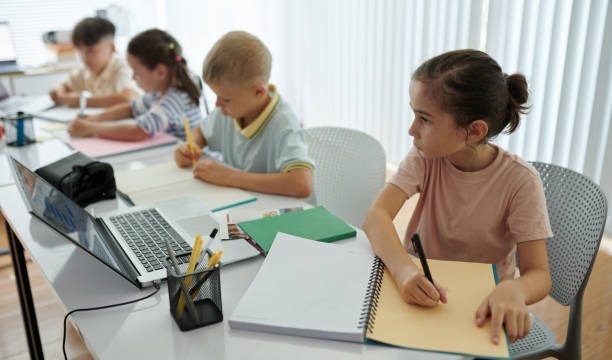
In today’s fast-paced world, the traditional classroom experience can sometimes feel a bit outdated.
Students are eager to engage with the material and connect with their peers, yet the conventional lecture format often leaves them feeling passive.
So how can we breathe new life into our classes, making them more interactive and engaging? Let’s explore some gentle yet effective ways to foster a more dynamic learning environment.
A small shift toward balance
One of the simplest ways to create a more interactive classroom is to shift the balance of power from the instructor to the students. This doesn’t mean relinquishing control or the structure of the course; rather, it involves inviting students to take an active role in their learning journey. Encouraging discussions and asking open-ended questions can invite students to share their thoughts and experiences, creating a richer dialogue that benefits everyone in the room.
Incorporating group activities can also facilitate this shift. Students often feel more comfortable expressing their ideas in smaller groups, where they can bounce thoughts off one another. Activities such as think-pair-share or small group discussions allow for deeper exploration of topics and can lead to a greater sense of community within the classroom.
Creating a welcoming atmosphere
A warm, inviting classroom atmosphere plays a crucial role in making classes more interactive. When students feel safe and supported, they are more likely to engage with the material and participate in discussions. Simple gestures, such as greeting students at the door, using their names, and showing genuine interest in their thoughts, can go a long way in building rapport.
Additionally, consider the physical environment of the classroom. Arranging desks in a circle or small clusters can encourage conversation and collaboration. Incorporating elements like comfortable seating or even plants can create a more relaxed vibe, making students feel at ease and open to sharing their ideas.
Tapping into technology
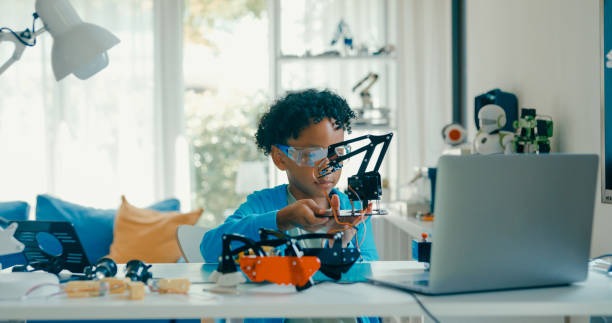
In this digital age, technology can serve as a powerful tool to enhance interactivity in the classroom. Utilizing platforms like interactive polls or discussion boards can encourage students to engage with the material in real-time, allowing for immediate feedback and discussion. Virtual breakout rooms can also facilitate small group conversations, even in a hybrid or online setting.
However, it’s important to strike a balance. While technology can be a fantastic resource, it should complement rather than replace face-to-face interactions. Encouraging students to use technology for collaborative projects or presentations can foster teamwork and creativity, as they learn to navigate digital tools together.
Emphasizing real-world connections
One effective way to make classes more interactive is to connect the material to real-world situations. When students see the relevance of what they’re learning, they become more motivated to engage. Inviting guest speakers from various fields or incorporating case studies can provide students with a broader perspective and inspire them to think critically about the subject matter.
Field trips or experiential learning opportunities can also create memorable connections between classroom learning and real life. Whether it’s visiting a local business, attending a community event, or participating in volunteer work, these experiences can deepen students’ understanding and spark their curiosity.
Encouraging creativity and expression
Fostering an environment where creativity is welcomed can significantly enhance interactivity in the classroom. Providing opportunities for students to express their understanding through various mediums—whether through art, presentations, or even performances—can engage different learning styles and make the material more relatable.
When students feel free to express themselves, they are more likely to take ownership of their learning. Encourage them to explore their interests and passions within the context of the curriculum. This not only makes learning more enjoyable but can also lead to a deeper understanding of the material.
Building a community of learners
Creating a sense of community among students can transform the classroom experience. When students feel connected to one another, they are more likely to engage in discussions and collaborate on projects. Simple icebreakers or team-building exercises at the beginning of the term can help students get to know one another and foster a sense of belonging.
Encouraging peer feedback and group projects can also build a supportive learning environment. When students work together, they can share insights and learn from one another, creating a rich tapestry of knowledge and experience. This collaborative spirit can lead to deeper discussions and a more interactive classroom experience.
Reflecting on the journey
Lastly, taking time for reflection can enhance the interactivity of your classes. Encouraging students to think about what they’ve learned, how they’ve grown, and what they still want to explore can foster a deeper understanding of the material. Reflection can take many forms, from journaling to group discussions, and can help students articulate their thoughts and feelings about their learning journey.
Creating an environment where students feel comfortable sharing their reflections can lead to meaningful conversations and insights. This practice not only enhances their learning experience but can also help them develop critical thinking skills that will serve them well beyond the classroom.
In conclusion, making classes more interactive is not just about incorporating new techniques or technologies; it’s about fostering a warm and welcoming environment where students feel valued and engaged. By encouraging dialogue, embracing creativity, and connecting learning to real-world experiences, we can create a dynamic classroom atmosphere that inspires curiosity and collaboration. The journey toward a more interactive classroom is a rewarding one, filled with opportunities for growth and connection. Let’s embrace the possibilities and watch as our students thrive.